Natural Nutrient Sources for Adult Males
Exploring the role of natural food sources in everyday nutrition
Exploring the role of natural food sources in everyday nutrition
Proper nutrition plays a significant role in the daily functioning of adult males. Understanding how different nutrients contribute to various physiological processes provides the foundation for informed dietary choices. This educational resource explains the roles of key nutrients and their natural food sources.
Balanced nutrition involves consuming appropriate amounts of macronutrients (proteins, carbohydrates, fats) and micronutrients (vitamins and minerals). Each plays a distinct role in supporting different body systems. The information presented here is designed to explain these concepts in an accessible way.
Natural food sources provide these nutrients in combinations that have evolved over time. Understanding these sources helps explain why whole foods are considered important in everyday nutrition discussions.
The following table outlines the primary roles of essential nutrients in human physiology:
| Nutrient | Primary Roles in the Body | Natural Food Sources |
|---|---|---|
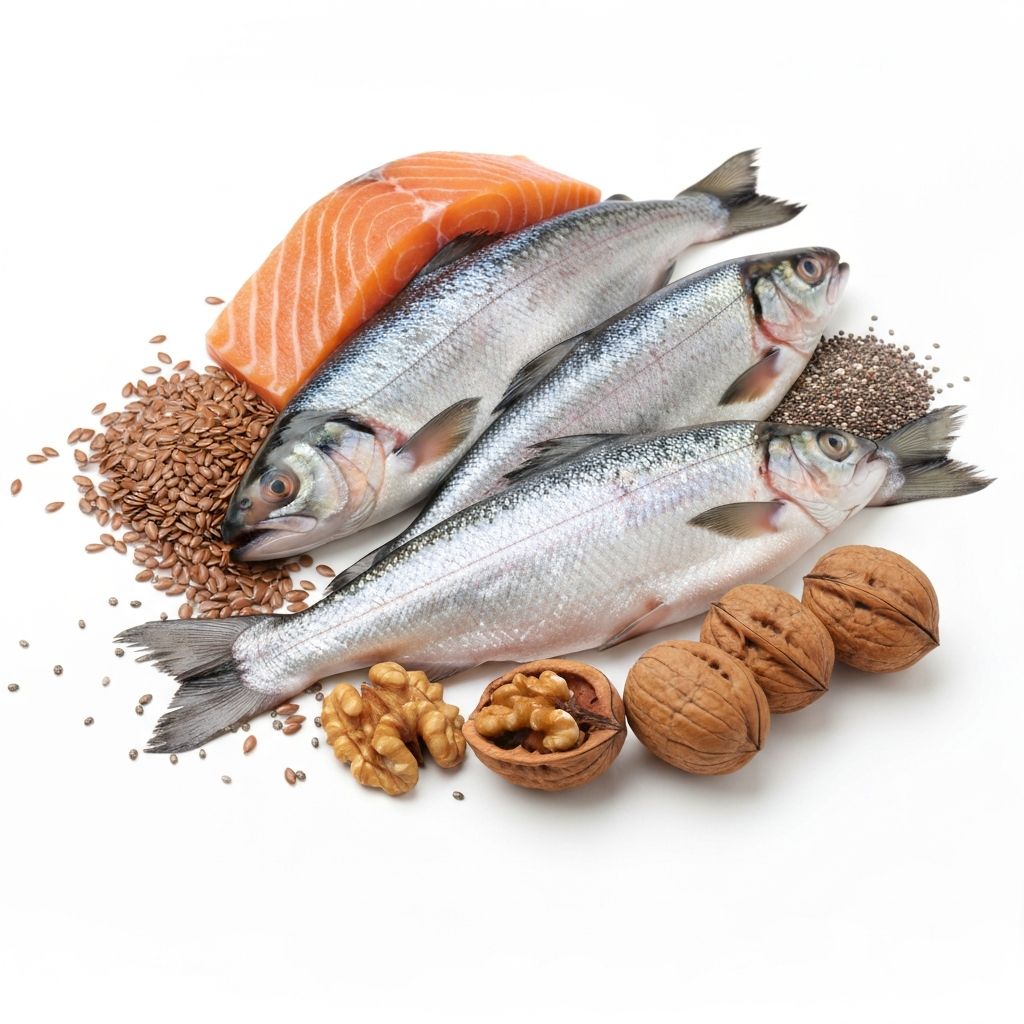
| Omega-3 Fatty Acids | Support cellular function, normal inflammatory response, cardiovascular health | Fatty fish, flaxseeds, chia seeds, walnuts |
| Iron | Essential for oxygen transport, energy production | Red meat, spinach, lentils, beans, fortified grains |
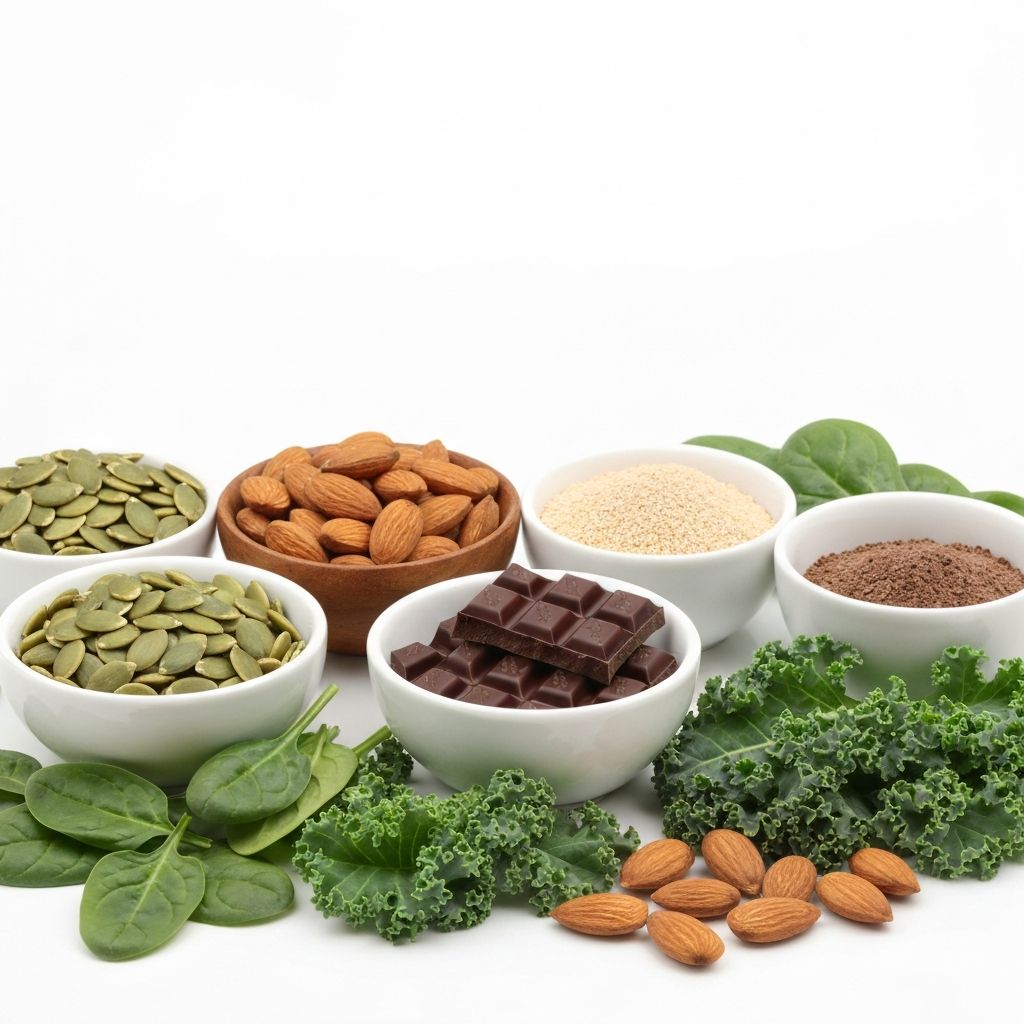
| Magnesium | Supports muscle function, nerve transmission, energy production | Green leafy vegetables, pumpkin seeds, almonds, dark chocolate |
| Zinc | Supports immune function, protein synthesis, wound healing | Beef, poultry, oysters, beans, nuts, seeds |
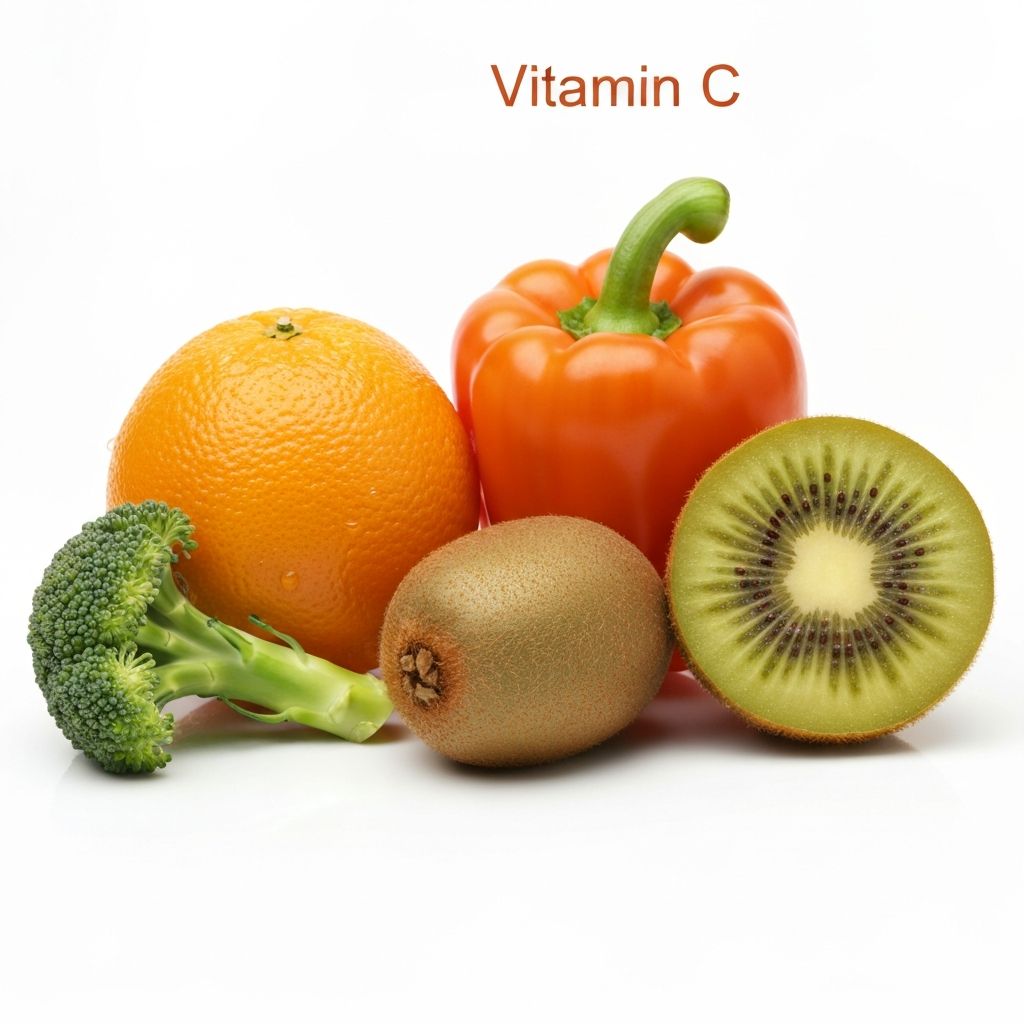
| Vitamin C | Supports immune function, collagen formation, antioxidant activity | Citrus fruits, bell peppers, broccoli, kiwi, strawberries |
| Vitamin D | Supports calcium absorption, immune function, bone health | Fatty fish, egg yolks, mushrooms, fortified dairy |
| B Vitamins | Support energy metabolism, nervous system function | Whole grains, eggs, meat, legumes, vegetables |
| Antioxidants | Protect cells from oxidative stress, support various physiological processes | Berries, dark leafy greens, nuts, seeds, colorful vegetables |
Examples of nutrient-rich foods commonly discussed in nutrition literature
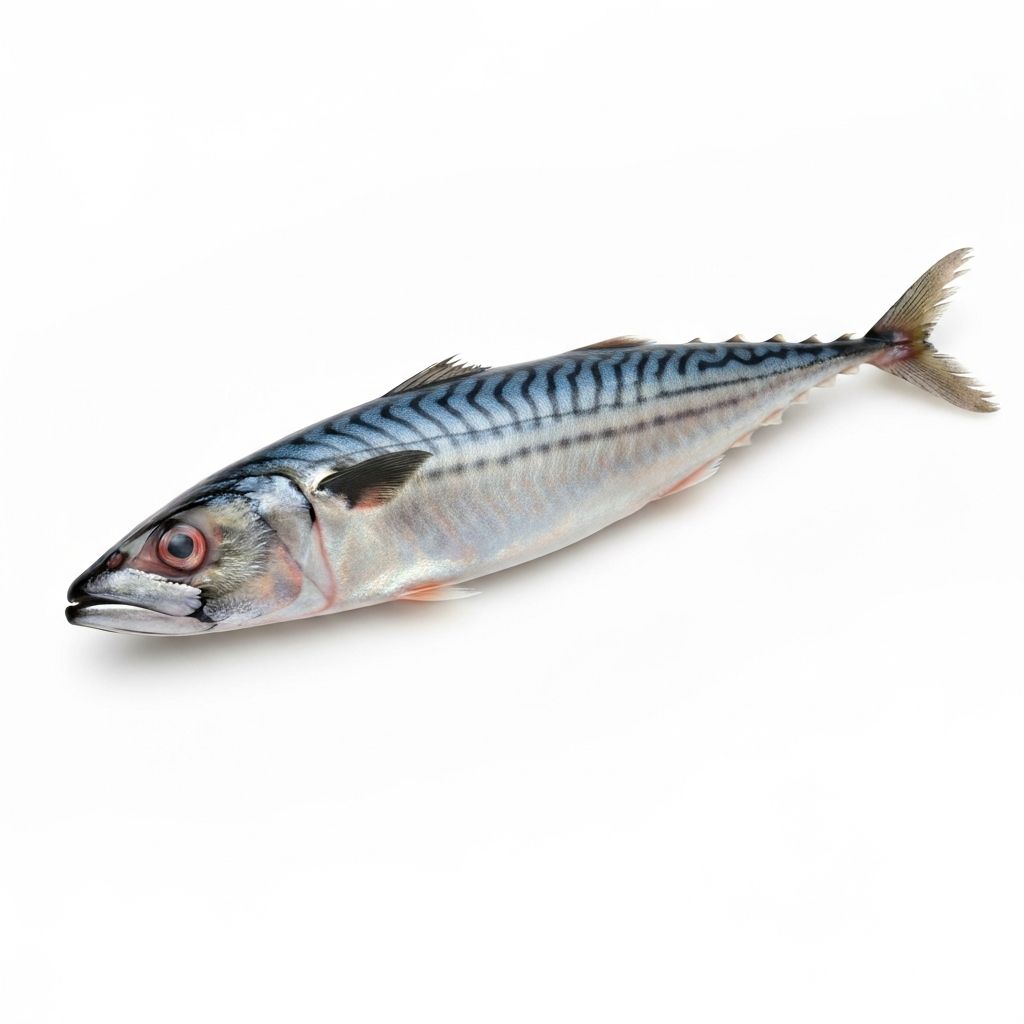
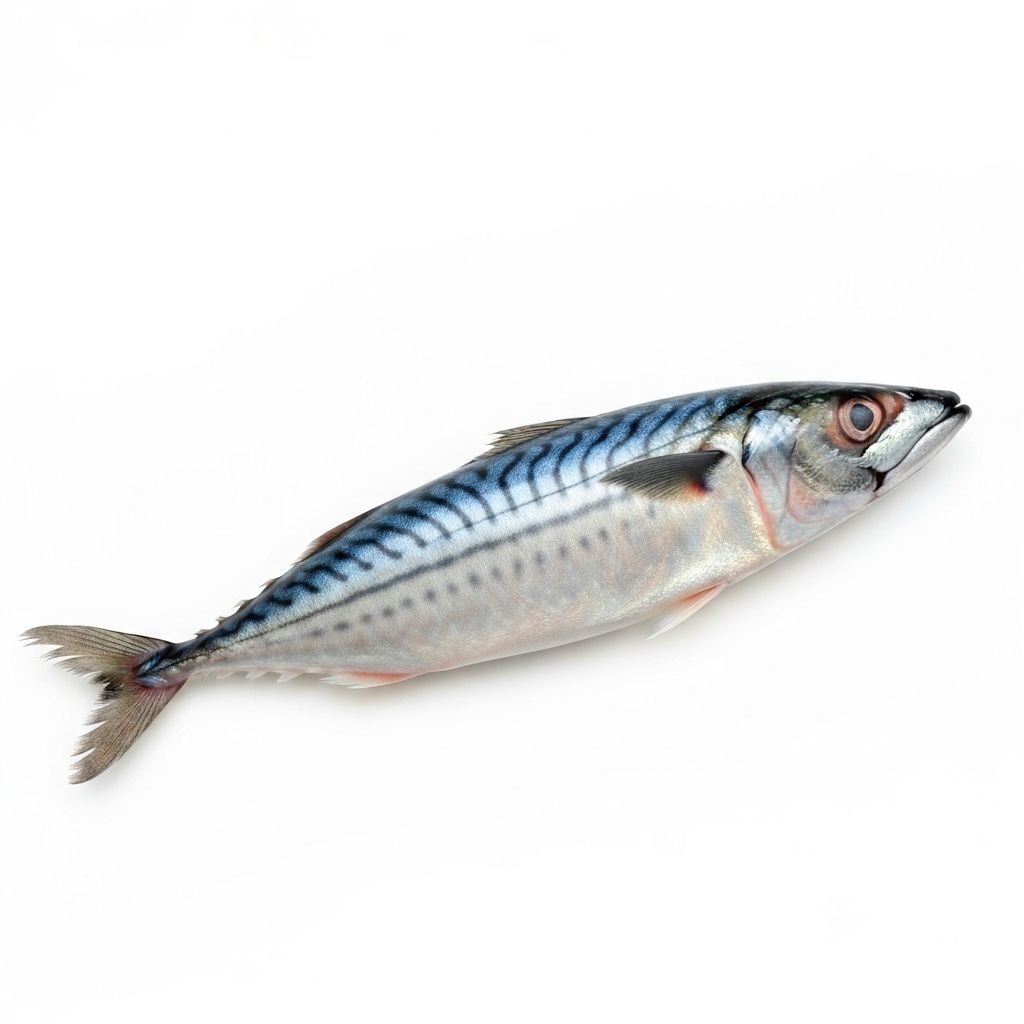
Rich in omega-3 fatty acids and vitamin D, mackerel is frequently mentioned in nutritional discussions as a natural source of these important nutrients that support various physiological functions.
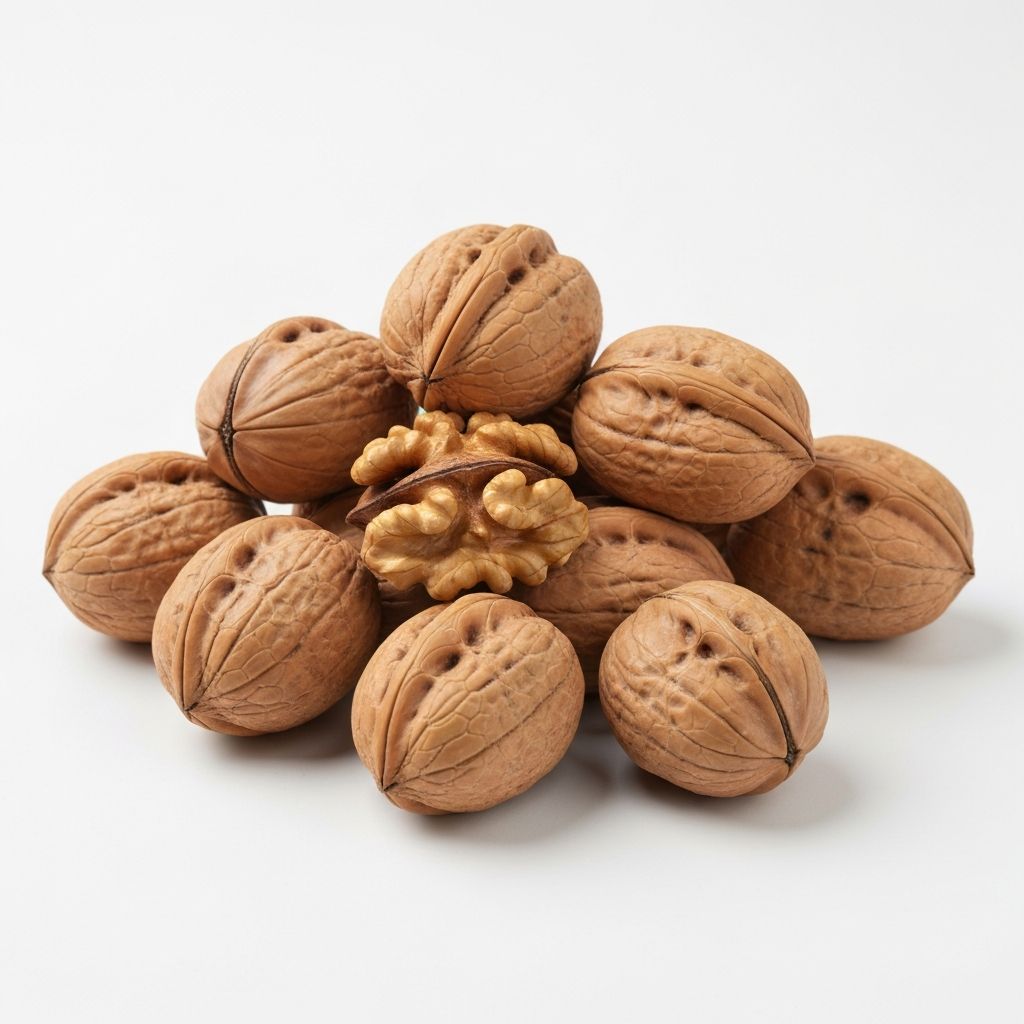
Walnuts contain omega-3 fatty acids and various antioxidants. They are commonly cited in nutritional literature as plant-based sources of these compounds important for normal physiological function.
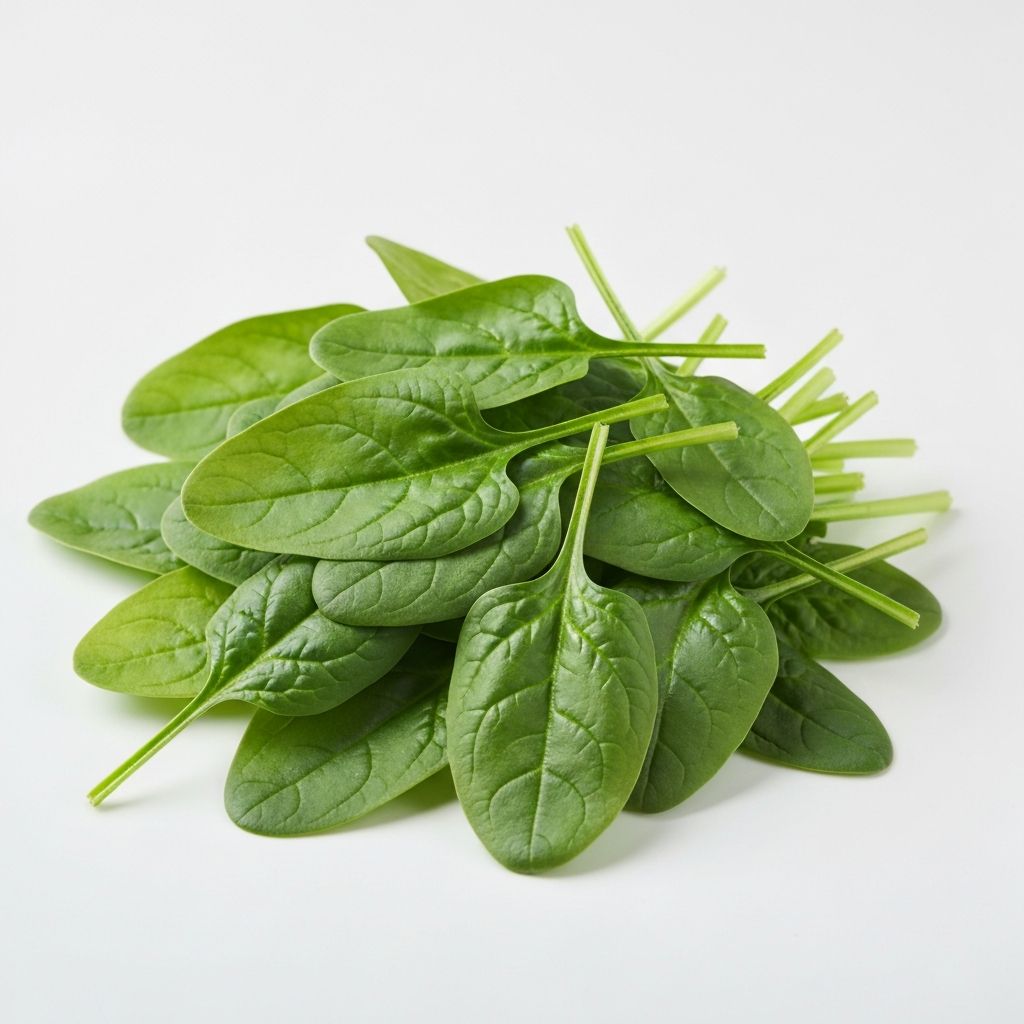
Spinach provides iron, folate, and magnesium. This nutrient-dense vegetable appears frequently in nutritional discussions as a natural source of multiple important micronutrients.
Magnesium plays a role in over 300 enzymatic reactions in the body. It supports muscle function, nerve transmission, and energy production. Understanding natural dietary sources of magnesium helps explain how everyday foods contribute to nutritional needs.
Common natural sources include green leafy vegetables, nuts, seeds, and whole grains. The bioavailability of magnesium from these sources varies, which is an area of ongoing nutritional research.
Magnesium content in foods can be influenced by soil quality and food processing methods, factors that nutritional scientists continue to study.
Vitamin C, also known as ascorbic acid, serves several functions in human physiology. It supports immune function, acts as an antioxidant, and plays a role in collagen synthesis. This explanation focuses on its natural food sources.
Citrus fruits are well-known sources, but many vegetables also contain significant vitamin C content. Red bell peppers, broccoli, and kiwifruit are examples of nutrient-dense sources of this vitamin.
Vitamin C is sensitive to heat and oxidation, which is why the timing and method of food preparation may influence nutrient content—an important consideration in nutritional science.
Zinc is an essential mineral that supports immune function, protein synthesis, and wound healing. Understanding its natural food sources provides context for everyday nutritional choices discussed in health literature.
Animal-based sources of zinc include beef, poultry, and shellfish, which contain forms of zinc with relatively high bioavailability. Plant-based sources such as beans, nuts, and seeds also provide zinc, though absorption rates may differ due to compounds like phytates that can affect mineral bioavailability.
The body does not store zinc, making consistent dietary intake relevant to nutritional adequacy. This is one reason zinc sources are frequently discussed in nutritional education.
Research continues on optimal zinc intake levels and how different food preparation methods may affect bioavailability—areas of ongoing scientific investigation.
Omega-3 fatty acids are polyunsaturated fats that play various roles in human physiology. They are classified as essential fatty acids because the body cannot synthesize them, making dietary sources necessary.
EPA and DHA are omega-3 types found primarily in fatty fish like mackerel, salmon, and sardines. ALA is found in plant sources like flaxseeds, chia seeds, and walnuts. The body can convert some ALA to EPA and DHA, though the efficiency of this conversion is an area of scientific research.
These fats support various physiological functions and are frequently mentioned in discussions about balanced nutrition and cardiovascular health.
Antioxidants are compounds that help protect cells from oxidative stress. They are found naturally in many plant-based foods, contributing to the diverse colors we see in fruits and vegetables.
Common antioxidants include polyphenols, flavonoids, and carotenoids. Berries, dark leafy greens, and colorful vegetables are known sources of these compounds, which is why nutritional guidance often emphasizes dietary variety and color.

Berries such as blueberries, raspberries, and blackberries are recognized in nutritional science as concentrated sources of various antioxidant compounds that contribute to overall dietary quality.
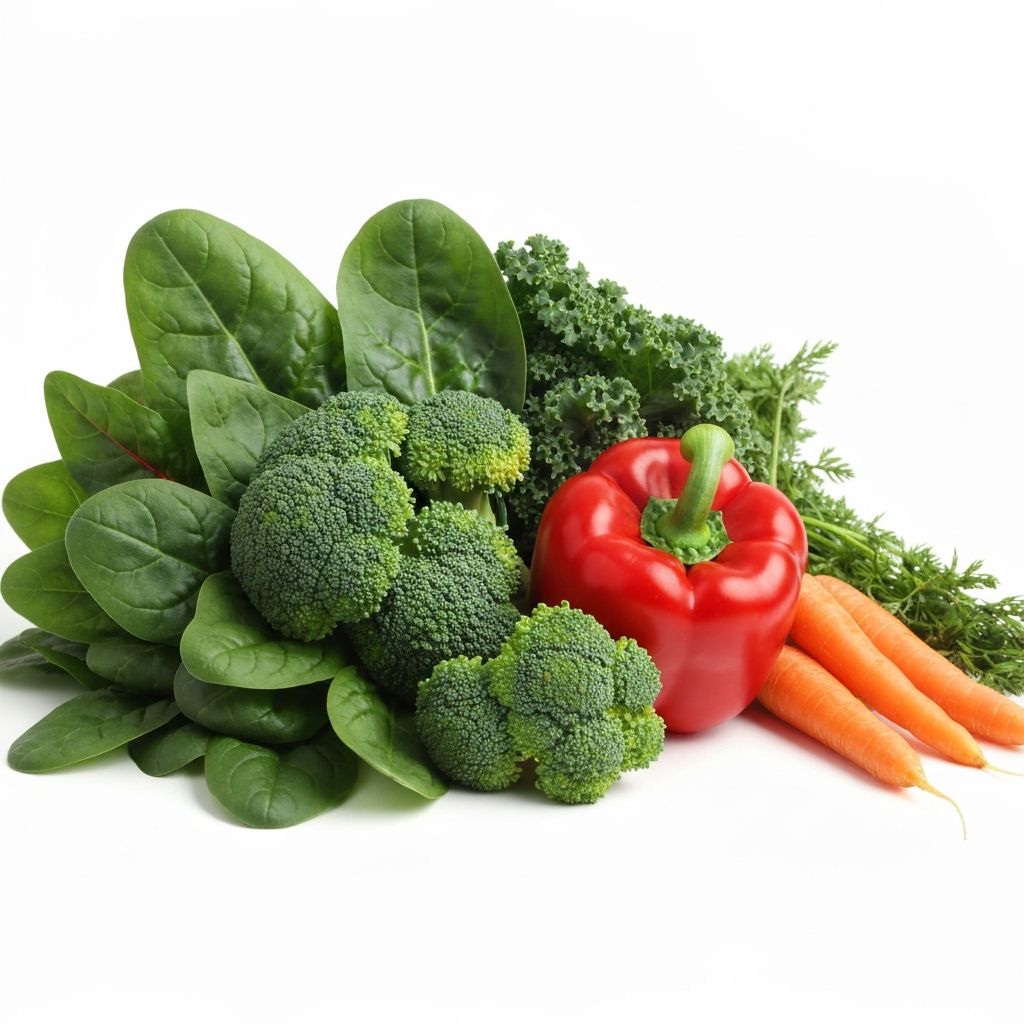
Dark leafy vegetables, broccoli, and colorful peppers contain multiple types of antioxidants. This diversity of sources demonstrates why nutritional guidance recommends consuming a variety of plant-based foods.
The concept of balanced nutrition involves consuming appropriate quantities of different nutrient categories. This typically includes adequate protein for muscle maintenance, carbohydrates for energy, healthy fats, vitamins, minerals, and fiber.
No single food provides all necessary nutrients, which is why nutritional science emphasizes dietary variety. Different foods contribute different nutrient profiles, and combining them creates a more nutritionally complete diet.
Factors affecting nutritional needs include age, activity level, metabolic rate, and individual health status. These variations are important in understanding why nutritional discussions can differ from person to person.
Practical application of balanced nutrition involves choosing foods from different groups and preparing them in ways that preserve nutrient content while making them enjoyable to eat.
Individual nutritional requirements vary based on multiple factors. Age, physical activity level, metabolic rate, and existing health status all influence how much of different nutrients a person needs.
Occupation and lifestyle choices affect nutritional demands. Someone engaged in regular intense physical activity may have different protein needs than someone with a sedentary lifestyle, for example.
Genetic factors also play a role in how efficiently individuals absorb and utilize different nutrients. This explains why nutritional science recognizes individual variation as a fundamental principle.
Cultural preferences, food access, and economic factors all influence what foods people eat. Understanding these real-world variations is important in educational nutrition discussions.
Water-Soluble vs Fat-Soluble Vitamins: Water-soluble vitamins like vitamin C and B vitamins are not stored in the body and need regular dietary replenishment. Fat-soluble vitamins like vitamins A, D, E, and K can be stored and don't need daily intake.
Bioavailability: The amount of a nutrient the body can actually absorb and use varies depending on the food source, food combinations, and digestive health. This is why food form matters in nutritional science.
Nutrient Synergy: Some nutrients work better together. For example, vitamin C enhances iron absorption, and fat helps absorb fat-soluble vitamins. This is why nutritional guidance emphasizes food combinations.
Seasonal Variations: Nutrient content in foods can vary based on growing conditions, harvest timing, and storage methods. This is relevant to understanding food quality in nutritional discussions.
Food Processing: Different preparation methods affect nutrient content. Some cooking methods preserve nutrients better than others, which is why cooking techniques are discussed in nutrition education.
Modern nutritional science is built on decades of research examining how different nutrients affect human physiology and health. This research has identified recommended daily intake levels for various nutrients based on scientific evidence.
Scientists use multiple research methods including randomized controlled trials, observational studies, and metabolic studies to understand nutrient function. This research is ongoing as scientists continue to learn more about nutritional interactions and individual variations.
Nutritional organizations around the world compile and review this research to create dietary guidelines and recommendations. These guidelines are periodically updated as new evidence emerges.
The complexity of human nutrition—involving interactions between multiple nutrients, foods, and individual factors—means that nutritional science is always evolving. New discoveries continue to refine our understanding of optimal nutrition.
This resource provides educational information about natural nutrient sources for adult males. For personalized dietary guidance, consultation with qualified healthcare professionals or registered dietitians is recommended.
Learn More About NutrientsThis website provides general educational information only. It does not offer personalized dietary recommendations, medical advice, or treatment guidance. Individual nutritional needs vary based on many factors including age, health status, activity level, and genetic variations.
The information presented here is not intended as a substitute for professional medical advice, diagnosis, or treatment. Always consult with qualified healthcare providers for personal health decisions.